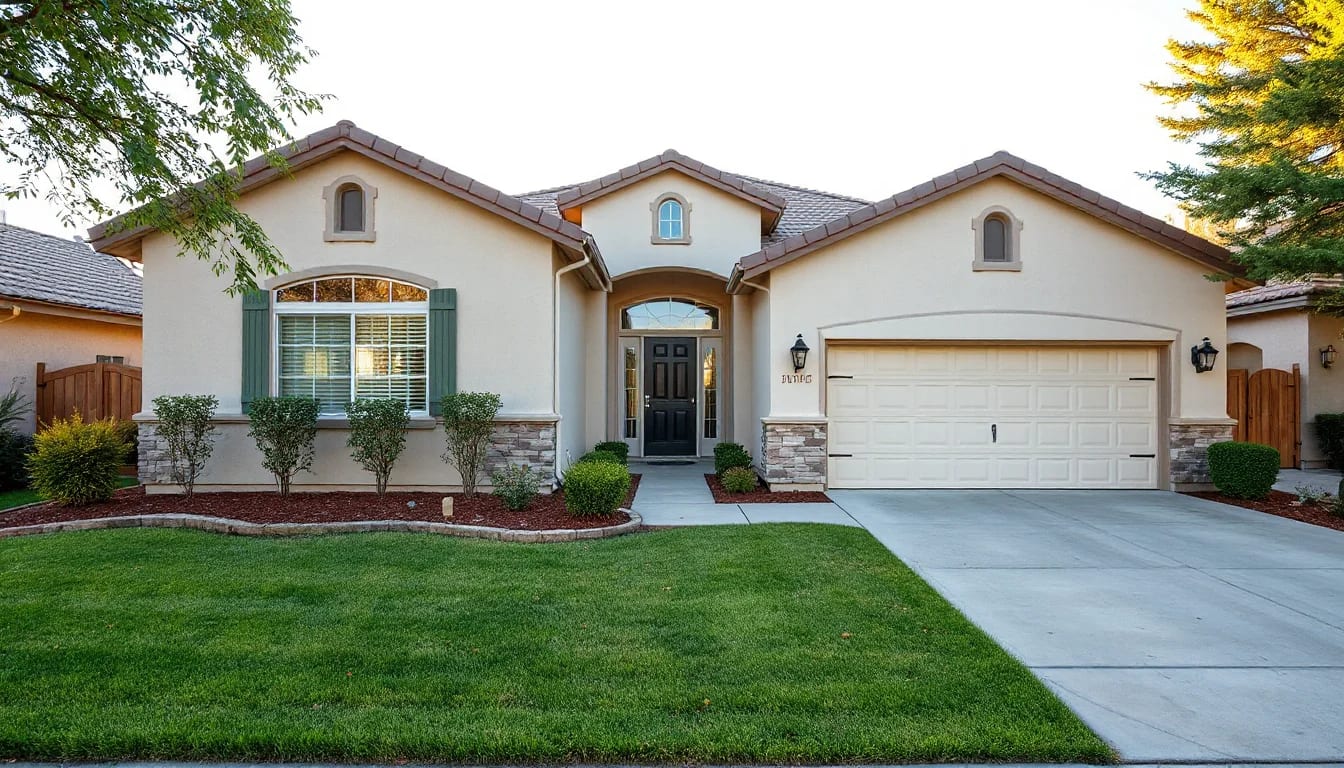
Preparing to sell your Valencia home is easier when you break the work into a clear sequence. The goal is not to chase a perfect house or make decisions in a rush; it is to present the property accurately, keep the process organized, and be ready to respond when an offer arrives. Your real estate and mortgage professionals can help you tailor each step to your property, finances, and next move.
Set Your Timeline
Start by identifying the date you would ideally like to be moved, then work backward. Leave room for preparing the home, photography, marketing, showings, contract negotiations, inspections, appraisal, and closing. A realistic timeline gives you more control than waiting until a deadline is urgent.
Think about the practical milestones around your sale. If you need to buy another home, ask how the timing of that purchase affects your sale. If you have school, work, travel, lease, or family commitments, note those dates early. Share them with your real estate professional so they can help you build a listing and showing plan that fits your life.
It is also useful to decide what flexibility you have. Consider your preferred closing window, whether you could offer possession after closing, and how much time you need to pack. These details can become meaningful when you compare offers later.
Gather Your Records
Create one place for the documents a buyer, title professional, or lender may need. Include records for major repairs and improvements, warranties, appliance manuals, permits, surveys if available, homeowners association documents, and recent utility information. Keep originals secure and provide copies when appropriate.
For a Valencia property with a homeowners association, review the current rules, fees, contact information, and any disclosure documents that may be required. If there are leased items, solar agreements, service contracts, or other ongoing obligations, identify them clearly. Being prepared helps prevent surprises after a buyer is under contract.
Ask your real estate professional which documents are customary for your transaction and local requirements. Your title, legal, tax, and mortgage professionals can advise on questions that fall within their areas of expertise. Clear records support a smoother conversation with serious buyers without making promises beyond what the documents show.
Choose Improvements Deliberately
Before spending money, walk through your home as a buyer might. Note items that affect safety, function, cleanliness, or first impressions: a leaking fixture, a broken latch, worn caulk, cluttered counters, overgrown landscaping, or a room that needs a fresh, neutral coat of paint. Addressing visible maintenance can help the home feel cared for.
Not every project is worth doing before a sale. Major remodeling can add cost, delay the launch, and reflect preferences a future buyer may not share. Instead, ask your real estate professional to help you distinguish between essential repairs, modest presentation updates, and projects that may be better left for the buyer to choose.
Keep receipts and before-and-after notes for completed work. If you receive contractor estimates or disclosures about an item you do not plan to repair, retain those as well. Your decisions should reflect your budget, timing, and property condition rather than an assumed market outcome.
Plan Photography and Showings
Professional photography works best when the home is clean, bright, and simplified. Before the appointment, remove personal items you prefer not to display, clear everyday clutter, open blinds where appropriate, replace burned-out bulbs, and put away pet supplies. Your agent can give you a room-by-room checklist based on the features they plan to highlight.
Showings require a plan too. Decide how you will handle pets, valuables, medication, mail, and work-from-home equipment. Set aside a quick reset routine for beds, kitchen surfaces, bathrooms, and entry areas so the home can be ready with less stress. If showing hours need limits, discuss them early with your agent.
During a showing, buyers need space to experience the home. It is usually best to leave rather than stay nearby, and to rely on your real estate professional to gather feedback and answer questions. Maintain reasonable access while protecting your daily routine and security.
Compare Offers as a Whole
The highest price is only one part of an offer. Read the proposed financing, earnest money, down payment, contingencies, inspection period, appraisal terms, requested seller concessions, included personal property, closing date, and possession terms. An offer should be evaluated as a complete set of obligations and timelines.
Ask your real estate professional to walk you through the practical implications of each term. A cash offer, a financed offer, and an offer with different contingencies may carry different risks and responsibilities. Your mortgage professional can also help you understand how a sale affects any existing loan payoff or plans for future financing.
Focus on the agreement that best supports your goals, not just the headline number. You may be able to negotiate price, timing, repairs, credits, or other terms. Keep decisions in writing and consult the appropriate professional before agreeing to contractual, legal, tax, or lending matters.
Coordinate Your Next Purchase
If you plan to purchase another home, begin the financial conversation early. Speak with a mortgage professional about your options, documentation, potential loan timing, and how proceeds from your sale may fit into your next purchase. Avoid making assumptions about approval, proceeds, or closing dates until you have professional guidance.
Consider where you will stay if the timing between transactions changes. A backup plan might include temporary housing, storage, a flexible closing arrangement, or a longer possession period if available. Planning for more than one scenario can make the transition feel more manageable.
Finally, keep your real estate, mortgage, title, and other relevant professionals informed as dates and terms evolve. With a practical timeline, organized records, thoughtful preparation, and a clear plan for your next move, you can approach selling your Valencia home with greater confidence.
About the author: Sam Pabuwal leads Luxury Realty Partners and New American Lending. Real estate services are provided through Luxury Realty Partners; mortgage services through New American Lending. California DRE 01860550; NMLS 273807. Read Sam’s biography or Talk with Sam.